How to Fix Uneven Cooling in Two-Story Vero Beach Homes
Does your upstairs feel stuffy while the first floor is cool? Many two-story homes in Vero Beach, especially in neighborhoods like Grand Harbor and the central downtown grid, struggle with hot second floors during summer peaks. The cause is rarely your thermostat setting. It is usually how air moves through your duct system and how that ductwork handles heat in the attic.
If you have searched for uneven AC cooling Vero Beach, you already know this problem is common. Below we explain what a professional HVAC contractor looks for, how targeted duct repair and replacement solves it, and how to make upstairs comfort steady from June through September.
Why Upstairs Gets Hotter In Vero Beach Two-Story Homes
Two forces work against your second floor. First, hot air rises and collects upstairs. Second, Florida attics run very hot for long stretches. When supply runs to upstairs rooms cross that attic, any air leaks or weak insulation let heat in and reduce the cool air reaching bedrooms.
Home designs around Vero Beach can make this worse. Long flex runs to back bedrooms, older soffit chases that hide ducts near the roofline, and single-zone systems that try to serve both floors with one thermostat all add up to uneven cooling. If your upstairs return is undersized or missing, your system cannot pull enough warm air back to the air handler, so rooms stay warm even while the system runs.
- Upstairs bedrooms are 3 to 6 degrees warmer in late afternoon than downstairs.
- Vents near the air handler blow strong and cold, but far bedrooms feel weak.
- Doors closed at night make rooms feel clammy or stuffy.
- Thermostat cycles longer, yet comfort barely changes upstairs.
These signs point to airflow imbalance, duct leakage, insulation shortfalls, or all three. The good news is that each has a clear fix when a pro measures and adjusts the system correctly.
What A Professional HVAC Inspection Covers
A solid diagnosis starts with data. Your technician will ask where and when you feel the biggest temperature swings, then test how your system moves air. Expect a process like this:
- Measure static pressure at the air handler to see how hard the blower is working.
- Check supply and return temperatures and airflow (CFM) room by room upstairs.
- Inspect and photograph duct routes in the attic, including bends, kinks, and splices.
- Evaluate duct insulation thickness and condition. Many Florida homes benefit from at least R-8 on attic flex ducts.
- Locate leakage with a smoke pencil or duct tester, focusing on supply boots, old soffits, and panned returns.
- Confirm damper locations and positions for each upstairs branch run.
- Assess the need for added or resized returns to relieve pressure upstairs.
This testing shows how much cooling is lost before it ever reaches your upstairs. From there, a plan can target the exact bottlenecks instead of guessing. Avoid closing supply vents to “push” air elsewhere. That raises pressure and can create new leaks without solving the core issue.
Pro Fixes That Solve Uneven Cooling
Balance Airflow With Dampers And Registers
Balancing is the fastest way to improve comfort when ducts are otherwise sound. A technician adjusts inline dampers on downstairs branches to gently favor the second floor, then fine-tunes upstairs registers so each room receives the airflow it needs. This is not guesswork. It is based on measured CFM targets for each room and verified after adjustments. When done correctly, your system runs steadier and rooms equalize without overcooling the first floor.
Seal And Repair Leaky Ducts Near Soffits And Attic Runs
Leaks rob upstairs rooms twice. They spill cool air into a hot attic and pull in superheated attic air through gaps, diluting what arrives at the vent. The worst offenders in older homes are supply boots at the ceiling and duct sections snaking through soffits. Pros remove loose tape, reseat connections, and seal joints. Pros rely on long-lasting mastic and proper collars, not quick tape fixes, then retest for leakage so the results are proven, not assumed.
Improve Attic Duct Insulation R-Values
Even perfectly sealed ducts can underdeliver if they are poorly insulated. Florida attics store heat well into the evening, so thin or compressed insulation around flex duct allows cool air to warm up before it reaches the room. Upgrading to thicker, well-fitted insulation sleeves and rerouting ducts away from hot roof decks when possible often lowers upstairs temperatures by a few degrees during peak hours. Technicians also correct kinks and sharp turns that create friction and reduce airflow.
Add Or Resize Return Air For Upstairs
Many two-story homes rely on a single return downstairs. That design forces the system to work harder and traps warm air on the second floor. Adding a dedicated upstairs return or upsizing an existing one lets the blower move more air with less effort, improving both cooling and humidity control. The result is quieter operation and cooler bedrooms with doors open or closed.
Smart Controls, Zoning, And Blower Settings
Sometimes controls limit comfort. A pro can optimize blower speed, adjust cooling stages, or add room sensors to keep the upstairs on target. In some homes, a zoning upgrade with motorized dampers and a smart controller gives each floor what it needs. Modern zoning avoids old “bypass” strategies that wasted energy and created noise. The key is designing zones that match your duct layout and verifying static pressure stays in a safe range after changes.
There are times when repair cannot overcome poor layout. If runs are extremely long, undersized, or crushed, replacing sections with properly sized and routed ductwork is the lasting fix. This is common where ducts jog through tight soffits or pinch around framing on the way to back bedrooms. A redesigned trunk-and-branch layout that shortens upstairs runs and increases return capacity can transform comfort for the whole home.
Local insight: Upstairs rooms over garages in Grand Harbor and central Vero Beach often run hottest from 3 to 7 p.m. Booking attic work in the morning can shorten service time and reduce disruption.
How Local Architecture Affects Airflow
Vero Beach homes range from Mediterranean-style builds with high ceilings to coastal cottages with compact framing. Tall foyers and open stairwells look beautiful but can act like chimneys, pulling cool air downstairs while heat lingers above. Long galleries and bonus rooms over garages usually sit at the end of duct lines. Pros factor these details into damper settings, return sizing, and whether to reroute or upsize specific branches.
Homes built during earlier expansions may also route ducts through narrow soffits near the roofline. That path saves space but exposes ducts to higher temperatures and tight bends. Sealing supply line leaks near those old soffits and replacing crushed sections are high-impact steps that a skilled team can complete without altering your finishes.
Moisture, Humidity, And Comfort In Vero Beach
Humidity is part of the comfort story. When upstairs air lingers and returns are weak, moisture removal stalls. Bedrooms can feel muggy even if the thermostat reads the right number. Sealing leaks, balancing airflow, and setting blower speeds correctly all improve dehumidification. When rooms cool evenly, your thermostat can hold steadier settings without long runtimes.
Schedule service before the peak of summer heat. Early-season balancing and ductwork help you avoid emergency calls during the hottest weeks and make summer sleep a lot more comfortable.
What To Expect When You Call Star Quality Air Conditioning
We start with a focused comfort interview and a thorough inspection of your upstairs and attic ductwork. Our technician records airflow and pressure readings, photographs problem areas, and explains options in plain language. You will see a clear plan that may include damper balancing, sealing, insulation upgrades, adding a return, or replacing specific duct sections. After the work, we retest so you know the system delivers the cooling you paid for.
If you are comparing solutions, remember the goal is measured comfort, not just a new part. The right fix for a hot upstairs is the one that restores balanced airflow and reduces attic heat gain along the duct path. That is how you get even temperatures across all bedrooms, doors open or closed, day and night.
Many homeowners find that targeted duct repair & replacement combined with smart balancing provides the best blend of value and results. In some cases, duct replacement in one or two critical runs is enough to unlock comfort on the entire floor.
A Simple Path To Even Temperatures Upstairs
Here is how the process typically unfolds with a qualified HVAC contractor in Vero Beach:
- Measure and document: airflow, temperatures, and static pressure upstairs and at the air handler.
- Seal and secure: boots, joints, and soffit runs that leak or draw hot attic air.
- Insulate and reroute: upgrade duct insulation and remove kinks or tight bends.
- Balance and verify: set dampers and registers to deliver target CFM to each room.
- Enhance returns: add or resize upstairs returns if pressure stays high.
- Optimize controls: adjust blower profiles or add zoning where layout demands it.
Throughout, the technician explains findings and shows before-and-after data so you can see the improvement, not just feel it. Do not block or close upstairs vents to “force” air elsewhere. Balanced systems work with all vents open so pressure and airflow stay in a healthy range.
Realistic Results For Grand Harbor And Central Vero Beach Homes
In larger Grand Harbor homes, balancing plus added return air often makes the biggest difference because long upstairs runs and tall ceilings need more consistent airflow. In compact homes around central Vero Beach, sealing soffit leaks and upgrading duct insulation can deliver a quick, noticeable drop in second-floor temperatures during late afternoons. Either way, the improvements are measurable and repeatable.
It is also common to adjust solutions seasonally. During peak summer, favoring upstairs branches slightly can keep bedrooms steady without overcooling downstairs living areas. In milder months, dampers can be returned to neutral positions for even whole-home comfort.
If you want a deeper dive into how airflow and duct design affect results, our team can walk you through the readings and show how each fix translates into comfort. For a broad overview of our services, you can always start at our home page and explore what matters most to you.
Ready For Even Cooling On Both Floors?
Hot upstairs bedrooms are not a Florida “fact of life.” They are a signal that ducts need sealing, balancing, better insulation, or a smarter layout. When those pieces fit, comfort follows.
For help with uneven AC cooling in Vero Beach, call Star Quality Air Conditioning at 772-299-9818 to schedule a pro evaluation.
If your home would benefit from a deeper reset, ask about air duct balancing and repair as part of a comprehensive plan. We will document the before-and-after results so you can see exactly how the work improved upstairs comfort.


Our Latest Articles
-
How to Fix Uneven Cooling in Two-Story Vero Beach Homes
Does your upstairs feel stuffy while the first floor is cool? Many two-story homes in Vero Beach, especially in neighborhoods like Grand Harbor and the central downtown grid, struggle with hot second floors during summer peaks. The cause is rarely your thermostat setting. It is usually […]
-
Switching to Heat Pumps: Energy Saving Tips for Viera Homeowners
If you are exploring heat pump installation in Viera, you are on the right track. Heat pumps cool in summer and provide gentle heat on the rare cool nights, all with impressive efficiency suited to Florida’s climate. Many Viera homeowners see steadier comfort and lower electric […]
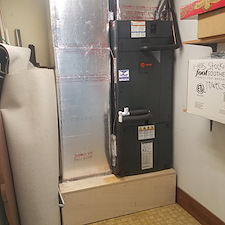
4 Ton Heat Pump Replacement
Star Quality Air Conditioning in Palm Bay, FL completed a full system change-out of a Trane 4-ton heat pump split system for a local homeowner. The project involved removing the customer's existing equipment and installing a new high-efficiency Trane system to provide more reliable heating and […]
Read More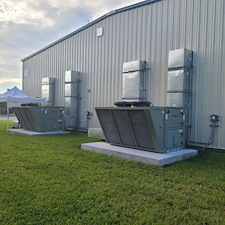
(2) 10 Ton Trane Valent Systems with Hot Gas Reheat and Custom Metal Duct Work
Star Quality Air Conditioning is pleased to share a recent commercial HVAC project completed in Vero Beach, FL by Star Quality Air Conditioning. This full commercial installation included two 10-ton Trane Valent systems and a hot gas reheat feature to improve humidity control in the conditioned […]
Read More